Forgotten Foods, Timeless Memories: Traditional Tamil Dishes That Nourished Generations
- May 18, 2026
 Introduction:
Food is more than taste — it is memory, comfort, tradition, and love. From kamarkattu and kummayam to pirandai thuvaiyal and mudakathan dosai, rediscover the forgotten foods that nourished generations. Read our blog from Manolayam and tell us about the traditional dishes you still remember fondly.
Food is an emotion. A single aroma can take us back to childhood… to grandmother’s kitchen, village summers, temple festivals, rainy evenings, or the comfort of sitting together and eating from the same plate. At Manolayam, food is not merely about nutrition. It is about memory, warmth, healing, and love.
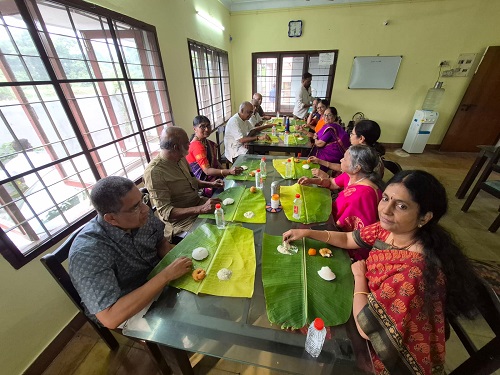
We are blessed with excellent cooks at Manolayam, and every dish they prepare carries their signature touch. Whether it is the crispy pavakkai roast, the flavourful kothamalli thuvaiyal, or even the humble kesari made with an extra dollop of affection, every meal here feels special.
In today’s fast-food world, many traditional dishes that once nourished generations are slowly disappearing from our dining tables. Our elders remember them fondly — foods that were tasty, nutritious, seasonal, and often deeply connected to our culture and way of life.
Here are a few forgotten foods that deserve to make a comeback.
 Kamarkattu
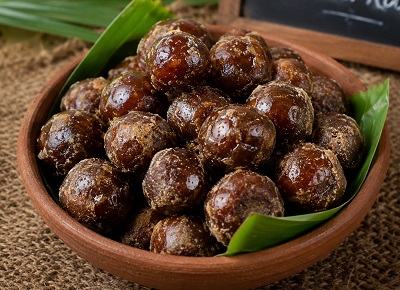
A hard sweet made with jaggery and coconut, kamarkattu was a favourite among village children. Slowly sucked and savoured, it would last a long time and keep one happily occupied. Simple ingredients, rustic taste, and no artificial flavours — just pure nostalgia.
Kummayam
Made with millets and jaggery, kummayam is a wholesome traditional sweet usually prepared during the Tamil month of Aadi. Rich in nutrition and energy, this dish reflects the wisdom of seasonal eating followed by earlier generations.
Akkaravadisal
This rich, divine preparation of rice, milk, jaggery, and generous amounts of ghee has been cherished for centuries. Its mention in the sacred Thiruppavai reminds us that this delicacy existed even during the time of Andal. Comforting, fragrant, and indulgent, it is devotion served in a bowl.
Then Mittai
Tiny sweets sold in village petty shops brought immense joy to children. Slowly dissolving in the mouth, these simple candies are part of countless childhood memories from rural Tamil Nadu.
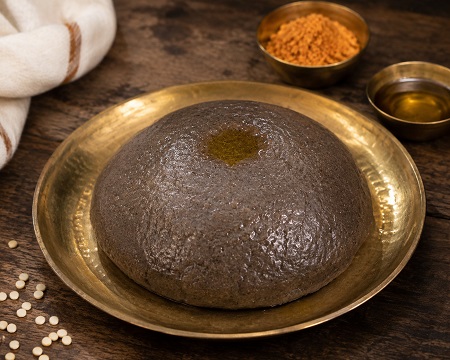 Ulundhu Kali
Made using black gram, palm jaggery, and gingelly oil, ulundhu kali was especially valued for women’s health and strength. Elders believed it helped strengthen the body and uterus while providing nourishment.
Ragi Sweet Roti
Nutritious and filling, this sweet roti made with ragi and jaggery is both healthy and delicious. Long before “health foods” became fashionable, our ancestors were already eating wisely.
Kandathippili Rasam
Prepared using long pepper, this comforting rasam is a wonderful home remedy during colds and coughs. Warm, soothing, and aromatic, it is the kind of food that heals both body and mind.
Angaya Podi
Many younger people may not even know this wonderful preparation exists today. Made using ingredients such as pepper, jeera, neem flowers, dried manathakkali, and more, angaya podi was traditionally consumed for stomach upsets and digestive health.
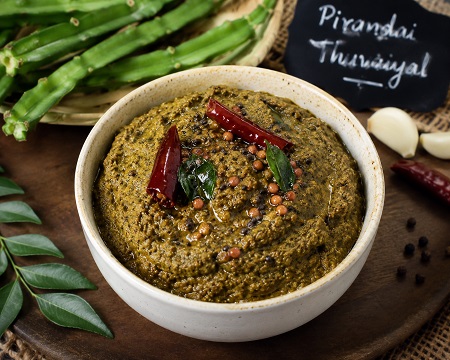 Pirandai Thuvaiyal
Pirandai, a hardy creeper that grows easily, is known for its benefits for joints and bone health. Made into a tasty thuvaiyal and mixed with hot rice, it becomes a satisfying meal in itself.
Thinai Arisi Upma
Thinai, or foxtail millet, is one of the oldest grains known to our land and is traditionally associated with Lord Murugan. Rich in fibre and goodness, thinai upma is hearty, wholesome, and ideal for healthy living.
Karamani Rasam and Kollu Rasam
Rasam becomes even more nourishing when prepared with karamani or kollu instead of the usual dal. Add a touch of garlic and garnish with ghee, and you have a protein-rich comfort food that is both healthy and delicious.
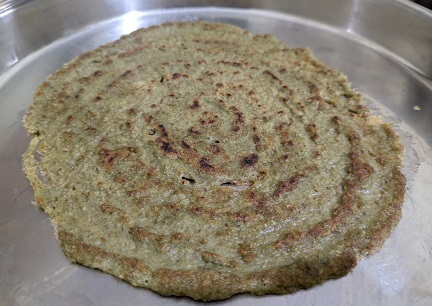 Mudakathan Keerai Dosai
This traditional dosa made using mudakathan leaves has long been valued for alleviating joint pain. Elders often included it regularly in their diet to maintain flexibility and mobility.
Perhaps the greatest beauty of these foods is that they were created not in laboratories, but in loving homes — by mothers and grandmothers who understood nourishment instinctively.
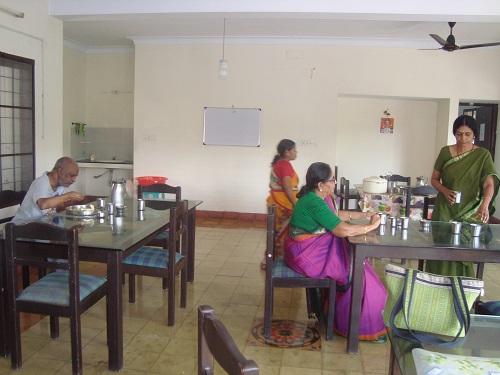
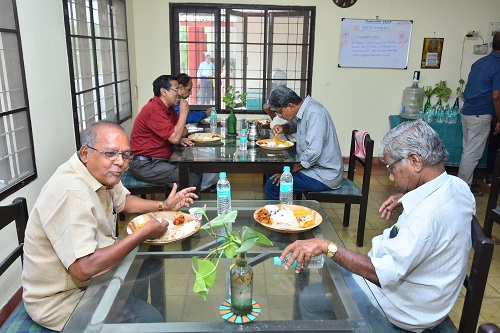
At Manolayam, conversations about food often become conversations about life itself. One resident remembers a snack from childhood, another recalls how her mother prepared a dish during monsoon days, and soon the dining hall fills with stories, laughter, and memories.
We warmly invite you to visit Manolayam, meet our wonderful residents, and share a meal with us. You may come for the food, but you will leave with stories and affection that linger long after.
And now we would love to hear from you.
What are the forgotten foods from your childhood that deserve to be remembered again? Share them in the comments and help preserve these precious culinary traditions for the next generation.